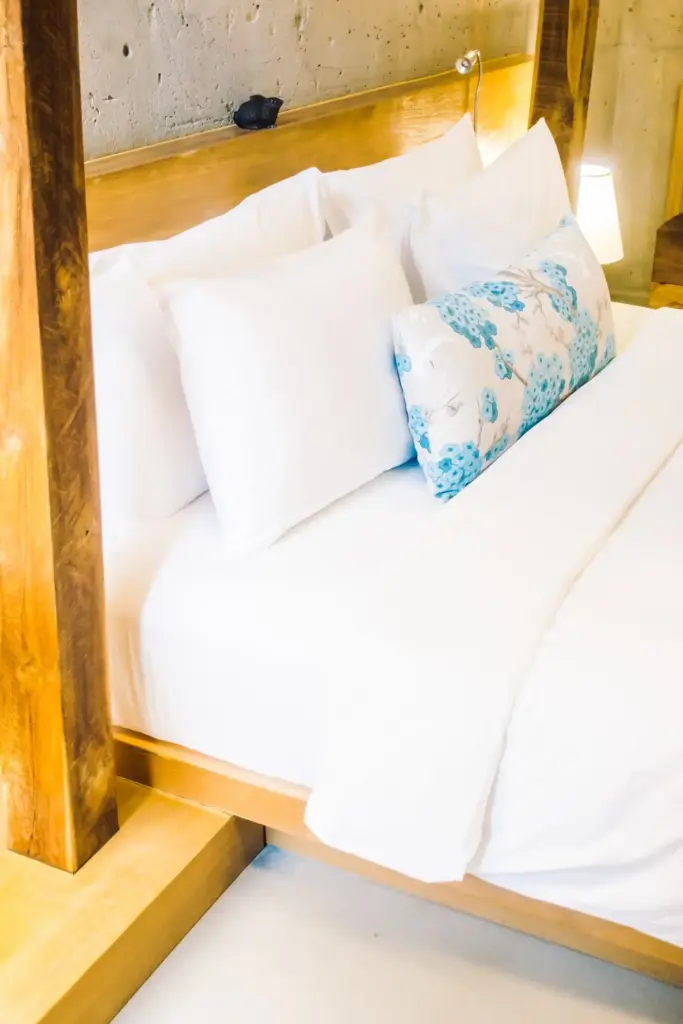




Reclaimed treasures with verified provenance
Antique oak, limestone flags, and bronze hardware can carry warmth without carrying hidden emissions. Partner with dealers who document origins and treatments, then restore pieces using low‑toxicity methods. The resulting patina counters minimalism’s chill while dramatically reducing embodied carbon versus newly quarried or milled equivalents of similar scale and quality.
Next‑generation low‑carbon concrete and steel choices
Specify cement blends with high supplementary materials, carbon‑cured blocks, or geopolymer alternatives where appropriate. Favor electric‑arc or recycled content steels with Environmental Product Declarations. Structural engineers can often trade mass for form, trimming tonnage while preserving spans. The result is quieter footprints underfoot and on the planet’s balance sheet.

Healthy finishes, adhesives, and textiles without compromise
Select finishes with third‑party toxicity labels, ultra‑low VOC profiles, and longevity under real life. Natural plasters, water‑borne lacquers, and durable plant‑based oils achieve luminous depth. Upholstery and rugs can incorporate recycled fibers and cradle‑to‑cradle certifications, sustaining indoor air quality and tactile pleasure without off‑gassing or premature wear.